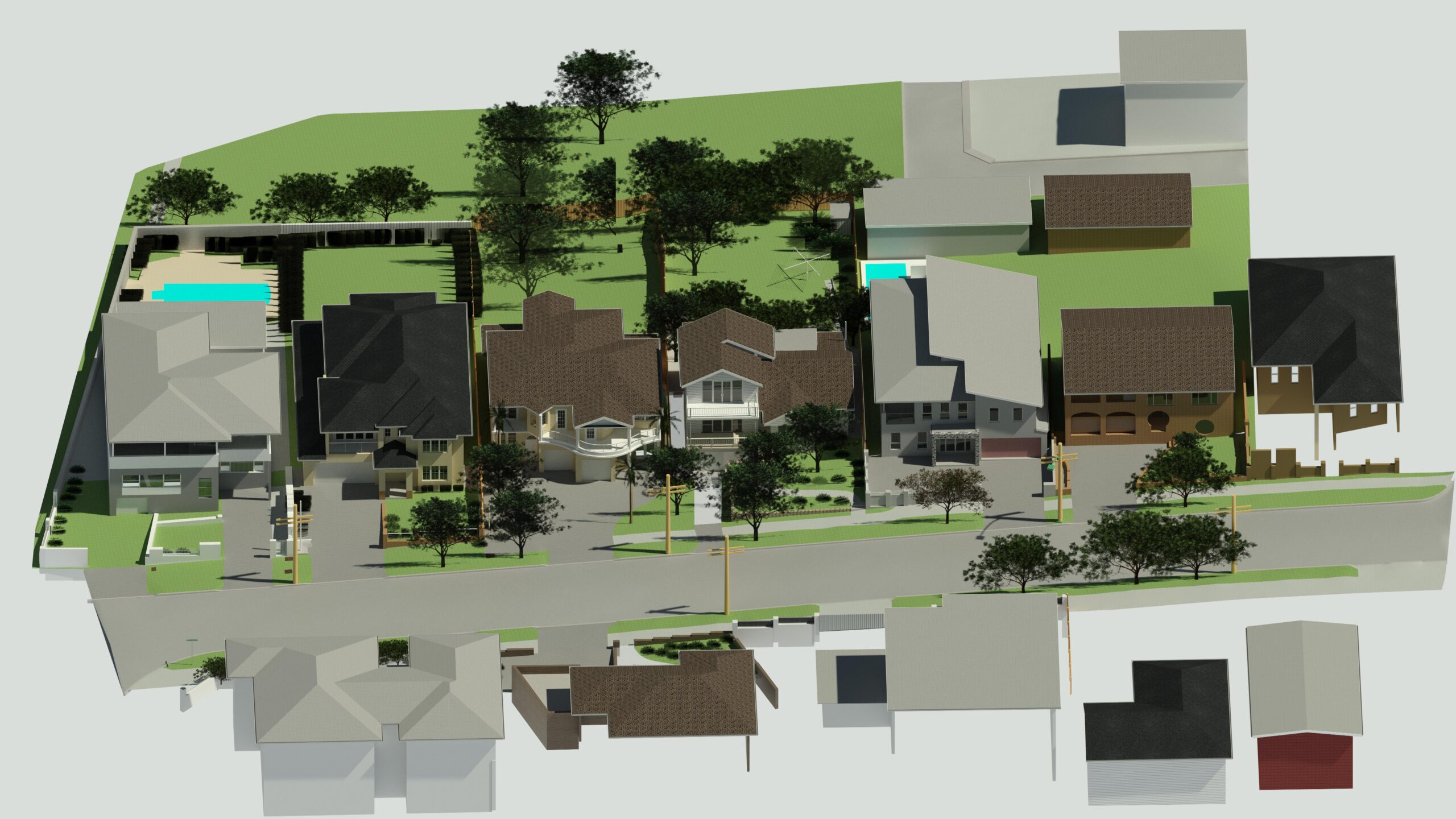
When you’re buying, building, fencing, or subdividing, knowing exactly where your property begins and ends isn’t optional; it’s the foundation everything else is built on. A boundary survey gives you that certainty. Here’s what one involves, when you need it, and what to expect from the process.


What Is a Boundary Survey?
A boundary survey is a type of land survey that identifies the legal boundaries of a property. It confirms the position of your land’s perimeter based on existing legal documents, including the Deposited Plan, title records (such as the Certificate of Title or electronic title), and survey records.
During the survey, a surveyor will:
- Research historical land records and titles
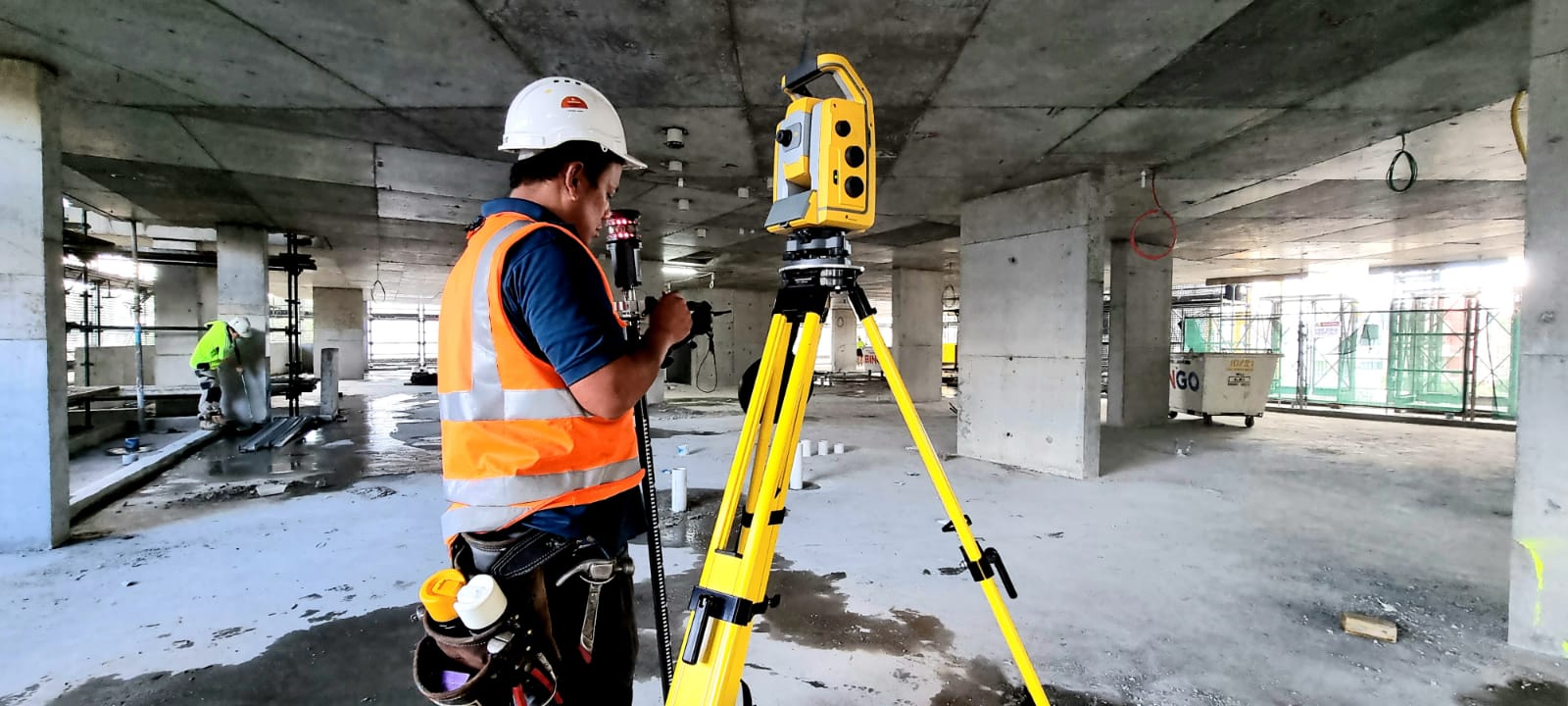
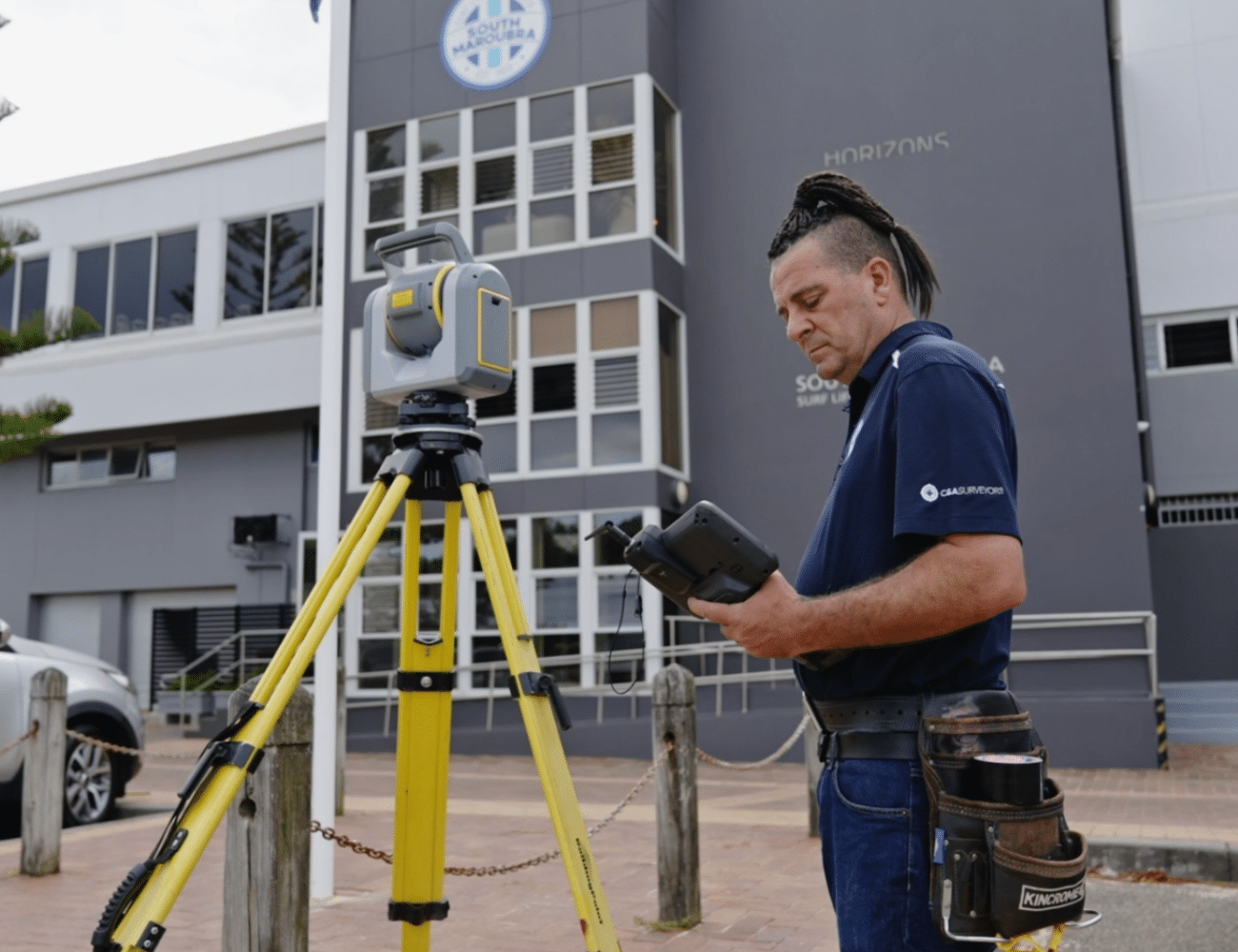
- Visit the site and use specialised surveying equipment to locate existing boundary marks or establish new ones
- Place new physical markers – like pegs or pins – at key boundary points
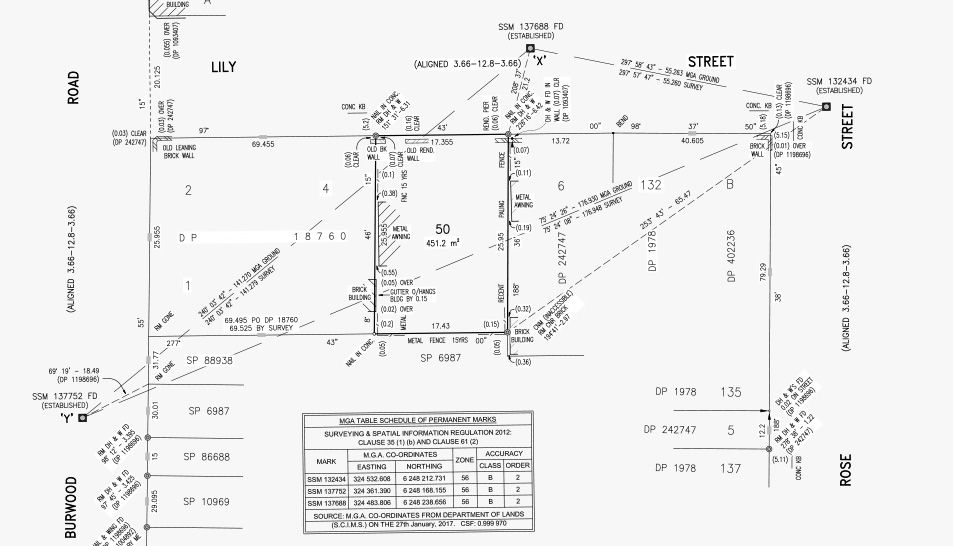
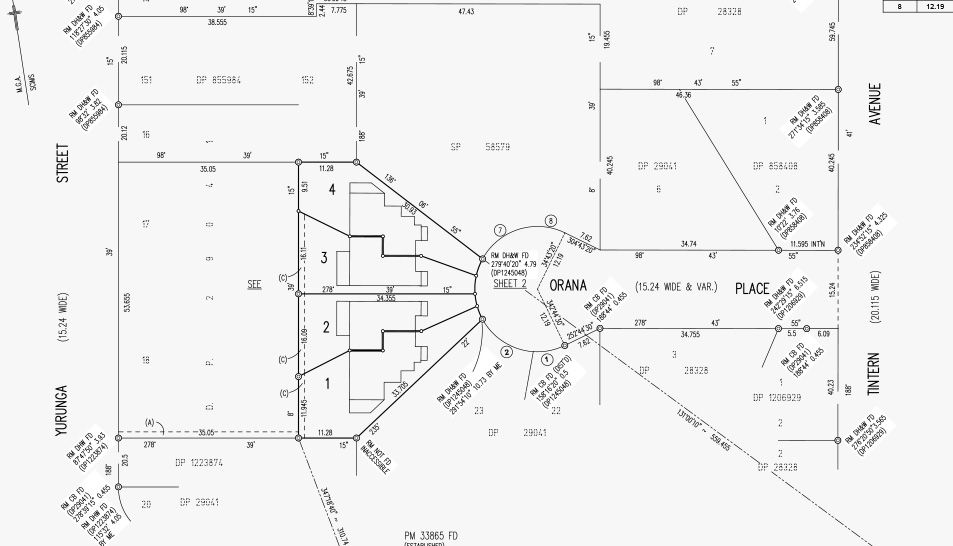
- Prepare a formal plan or sketch showing the surveyed boundary
The output is a certified Boundary Survey Sketch, a legal document accepted by NSW councils, NSW Land Registry Services (LRS), and the courts. It defines the dimensions and position of your property lines and can be used to support fencing works, development applications, construction planning, subdivision lodgements, and dispute resolution.
In NSW, only a Registered Surveyor is authorised to re-establish and certify property boundaries. Measurements taken by a builder or homeowner have no legal standing for these purposes.

When Do You Need a Boundary Survey?
Boundary surveys aren’t just for large-scale developers. They’re used by homeowners, owner-builders, architects, property investors, and real estate professionals across NSW. Common reasons to commission a property boundary survey include:
Installing or replacing a fence
Under the Dividing Fences Act 1991, the legal boundary is the reference point for a dividing fence. However, fences are frequently not in the correct position; they shift over time, are installed from assumption, or reflect old informal agreements that were never formalised. Without a survey, you’re guessing. If the fence goes in the wrong spot, relocating it later is expensive and often contentious.
Building close to a boundary
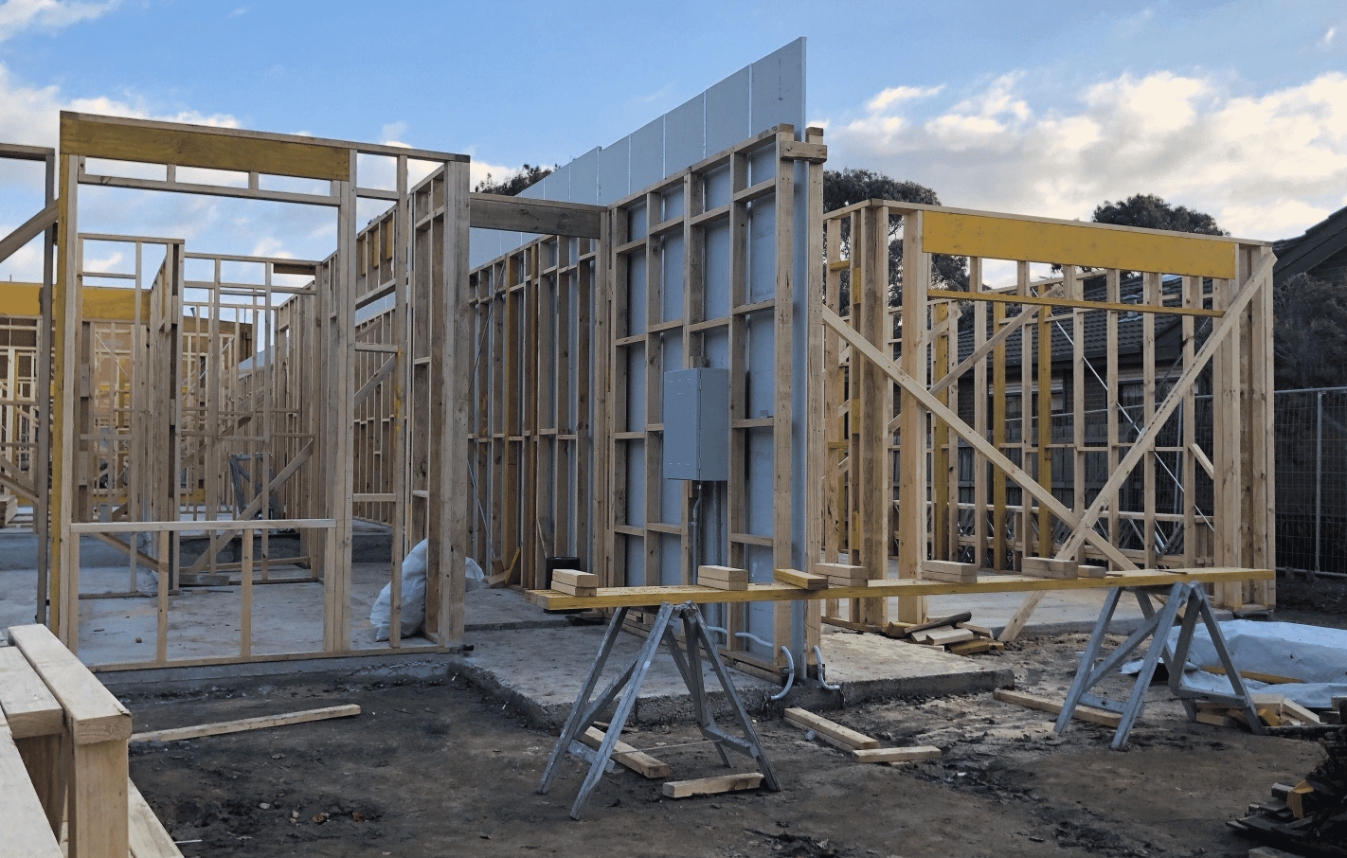
A construction error at this stage can push a structure onto a neighbour’s land, triggering council refusals, stop-work orders, and potential legal disputes. Getting a land boundary survey done before construction starts eliminates that risk before it becomes a problem.
Purchasing or selling property
Boundary discrepancies discovered after settlement are expensive and slow to resolve. Verifying the position of boundaries before contracts are exchanged gives both parties confidence and removes one of the more common sources of post-settlement dispute.
Resolving a dispute
A boundary survey is admissible evidence at NCAT and in court. Where a dispute is escalating, a survey replaces opinion with legal fact. Documenting the position definitively gives both parties a clear foundation for resolution.
If any work or decision depends on knowing where your boundary sits, the answer is almost always: get the survey first.
What Does a Boundary Survey Include?
A standard boundary survey covers three stages: research, fieldwork, and survey deliverables.
Research and planning comes first.
Before the surveyor attends site, they retrieve your title certificate, deposited plans, and historical survey records from NSW LRS. This desk-based research identifies what boundary evidence exists, where disputes or ambiguities may arise, and what the surveyor should expect to find on the ground. The quality of this research phase directly affects the accuracy of the on-site work.
The site visit is where the physical boundary is re-established.
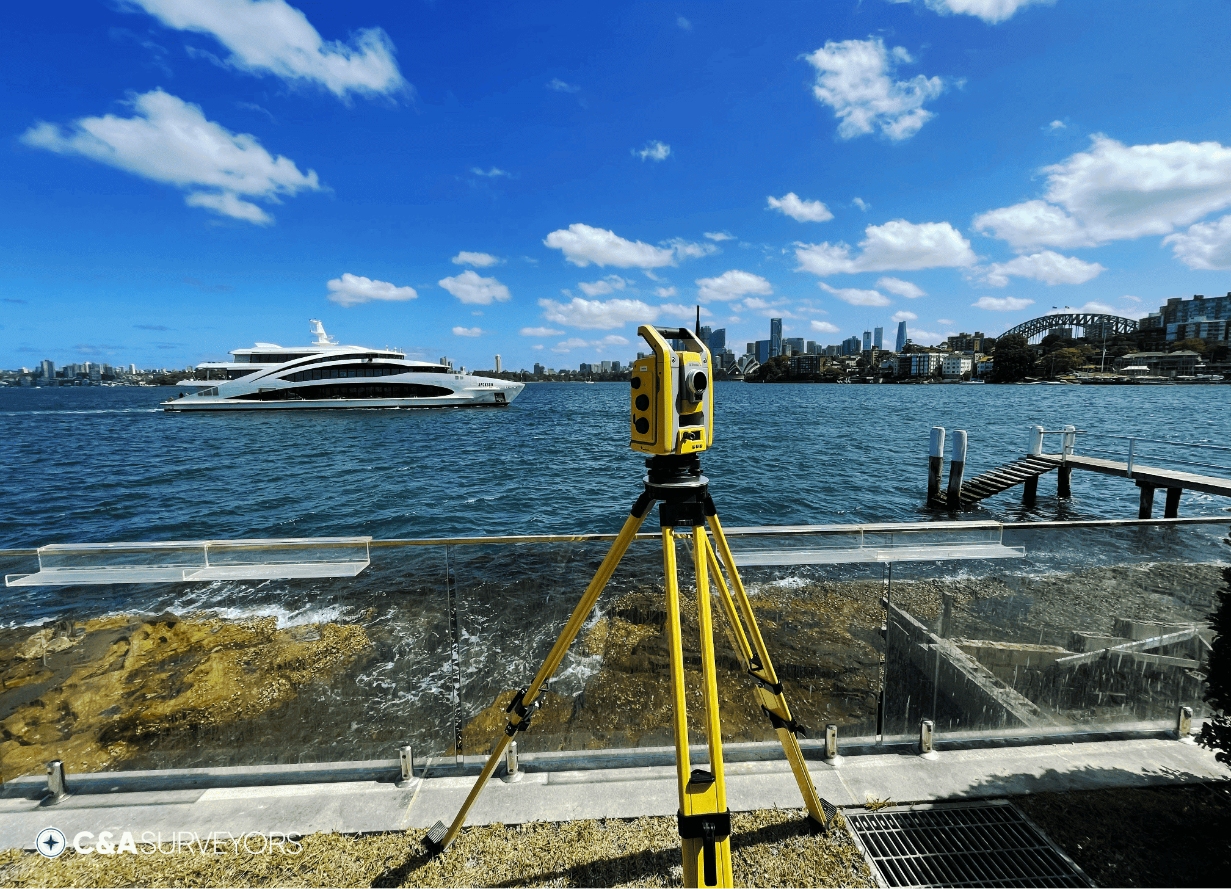
A surveyor attends your property, locates evidence of the boundaries in the area through accurate measurements. Physical boundary markers like pegs or nails are placed at corners and line breaks. The surveyor will also note any discrepancies between the legal boundary position and existing fences, walls, or structures on or near the boundary.
Survey deliverables are what you receive at the end.
This includes a Boundary Survey Sketch, a certified legal plan defining your property lines, signed by a Registered Surveyor.
Depending on your project, a boundary survey can also be combined with a detail and level (topographic) survey, an identification survey, or subdivision planning. Bundling surveys where there’s overlap in site attendance reduces overall cost and field time.
How Much Does a Boundary Survey Cost?
The cost of a boundary survey depends on the specifics of your property and project. The main factors are:
- Property size and shape: larger or irregular lots require more field time and measurement
- Site accessibility and complexity: dense vegetation, steep terrain, or existing structures affect how long the on-site work takes
- Availability of historical records: older properties often require deeper archival research, which adds time before the surveyor attends site
- Cadastral complexity: in older or less developed areas, original survey marks and monuments may have been destroyed, requiring additional analysis to re-establish boundaries that are considered confused or lost
For standard residential properties, boundary surveys typically start from around $750–$1,800. Complex sites with large lots, steep terrain, or ambiguous cadastre may be higher. The only reliable way to know the cost for your property is to get a site-specific quote. Most surveying companies will provide one free of charge.
Frequently Asked Questions
Can't my builder just measure from the fence?
Fences frequently don’t sit on the legal boundary: they shift over time, are installed incorrectly, or reflect old informal agreements that were never formalised in title. In NSW, only a Registered Surveyor can legally re-establish and certify property boundaries. Measurements taken by a builder or homeowner carry no legal standing for council submissions or dispute resolution.
My neighbour and I have already agreed on where the boundary is. Do I still need a survey?
Informal agreements don’t change the legal position of the boundary. If the agreed line doesn’t match the title boundary, complications arise when you sell, subdivide, or apply for development approvals. A certified survey documents the legal position and protects both parties regardless of what’s been agreed verbally.
I had a survey done five years ago. Do I need another one?
Not necessarily; it depends on what’s changed. If your boundary pegs are still in place and no work is planned near the boundary, the old survey may still be valid. If pegs are missing, you’re about to build or fence, or neighbouring lots have changed, a Registered Surveyor can advise whether a new survey is needed before you commission new work.
How accurate is a boundary survey?
Boundary surveys completed by expert Surveyors use high precision equipment and are required to meet strict accuracy standards under NSW legislation. The certified Boundary Survey Sketch is the legally recognised record of your property’s dimensions; it’s what councils, NSW LRS, and the courts accept.
How long does a boundary survey take?
Most standard residential surveys are completed within two to five business days from booking. Complex sites requiring deeper research or difficult site access may take a little longer. A reputable surveyor will confirm the timeframe at the quoting stage, not after the work has started.
The Right Surveyor Makes the Difference
Boundary survey results are only as reliable as the surveyor behind them. The quality depends on their access to historical records, their experience reading the cadastre, and the precision of their on-site measurement. When boundaries are confused, records are incomplete, or cadastral conditions are complex, that experience gap matters significantly.
When selecting a land boundary surveyor, look for a firm that delivers certified, legally compliant plans, provides a transparent upfront quote, and can mobilise quickly without cutting corners on the research phase that underpins the fieldwork.
Ready to Book a Boundary Survey?
A boundary survey converts assumptions into certainty before a fence goes up, before construction starts, or before a dispute escalates further. With your property’s legal boundaries documented and marked on the ground, every decision that follows is made on solid footing.
At C&A Surveyors, we’ve completed 100,000+ surveys across Greater Sydney and NSW since 2009. Our team of 60+ staff — including 25+ surveyors — delivers certified, court-admissible boundary surveys tracked in real time through C&A Connect, our client portal. With 500+ five-star reviews and transparent pricing on every job, we’re the surveyors homeowners, architects, and builders come back to.
Get a free, no-obligation quote today! Fill out our form, call us on (02) 9167 0209, or request a callback and we’ll respond within one business day.