Whether you’re building a new home, planning a renovation, or preparing a development application, a topographic survey is often the critical first step. It gives architects, designers, engineers, and builders an accurate picture of your site so every decision that follows is grounded in real data, not guesswork.

Table of Contents
- What Is a Topographic Survey?
- What Does a Topographic Survey Include?
- How Is a Topographic Survey Conducted?
- When Do You Need a Topographic Survey?
- Topographic Survey vs Detail & Boundary Identification Survey
- Topographic Survey FAQs
- Getting the Right Survey for Your Project
- Need a Topographic Survey in Sydney?

What Is a Topographic Survey?
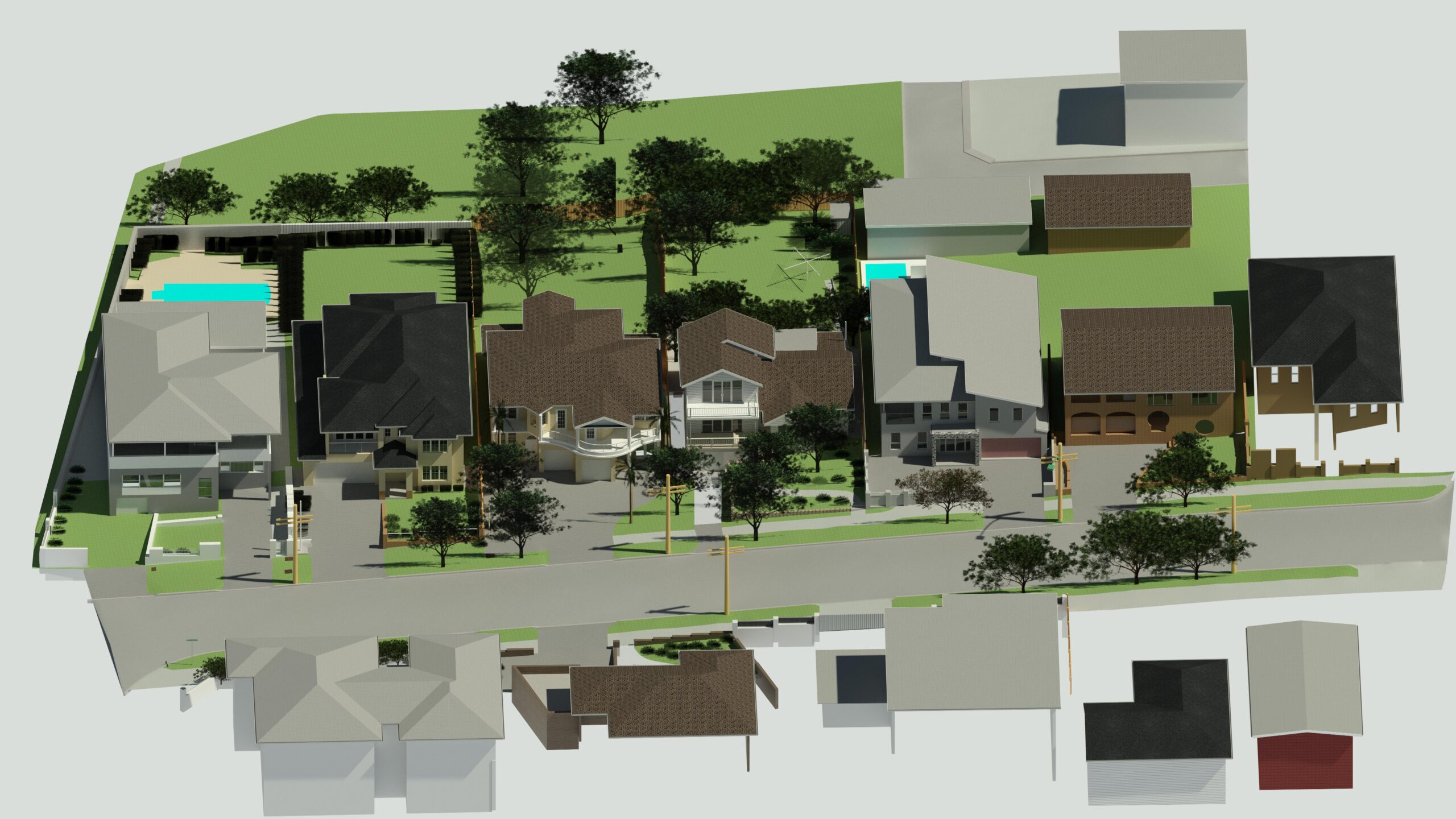
A topographic survey is a highly detailed survey of a site that captures both natural and man-made features. This includes:
-
- Ground levels and land contours
- Trees, vegetation, and landscaping features
- Retaining walls, fences, driveways, and kerbs
- Buildings and structures
The goal is to provide a clear, accurate map of your site so that architects, builders, engineers, and builder can work with confidence. Topographic surveys are also known as contour surveys, detail surveys, site surveys, or detail & level surveys; these terms are used interchangeably across the industry.
Even if your site looks flat, subtle changes in elevation can affect design, excavation costs, and council approval. A topographic survey removes that uncertainty before it becomes a problem.
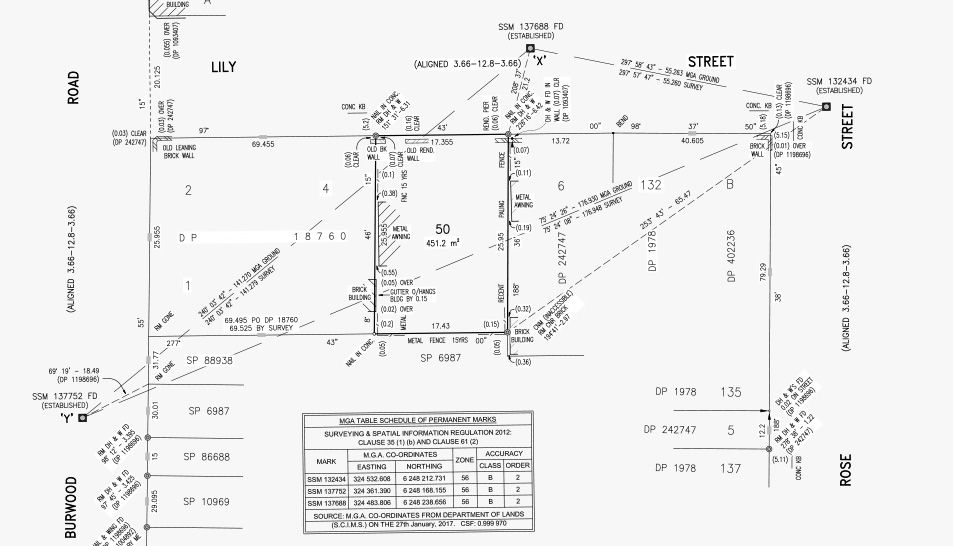
Some councils and private certifiers accept a standard topographic survey for development applications, but many now require a Detail & Boundary Identification Survey. This survey includes a formal investigation and marking of the property boundaries. If you’re unsure which applies to your project, it’s worth checking with your council or surveyor before you book.
What Does a Topographic Survey Include?
A comprehensive topographic survey typically includes:
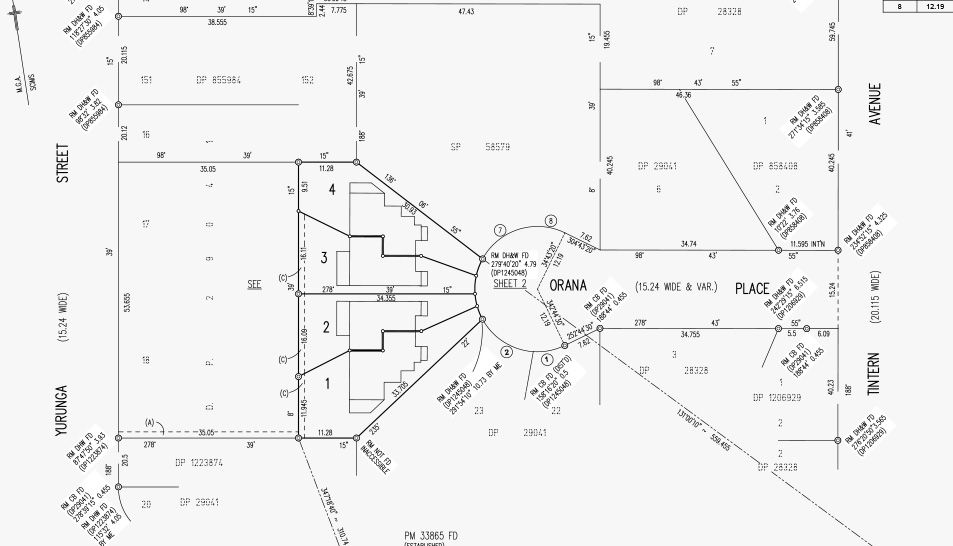
- A site plan showing accurate measurements of all visible site features
- Contour lines showing elevation changes (usually at 0.25m or 0.5m intervals)
- Spot heights to indicate localised elevation data
- Location and descriptions of trees and vegetation
- Existing buildings and improvements
- Road and kerb features and driveways (upon request)
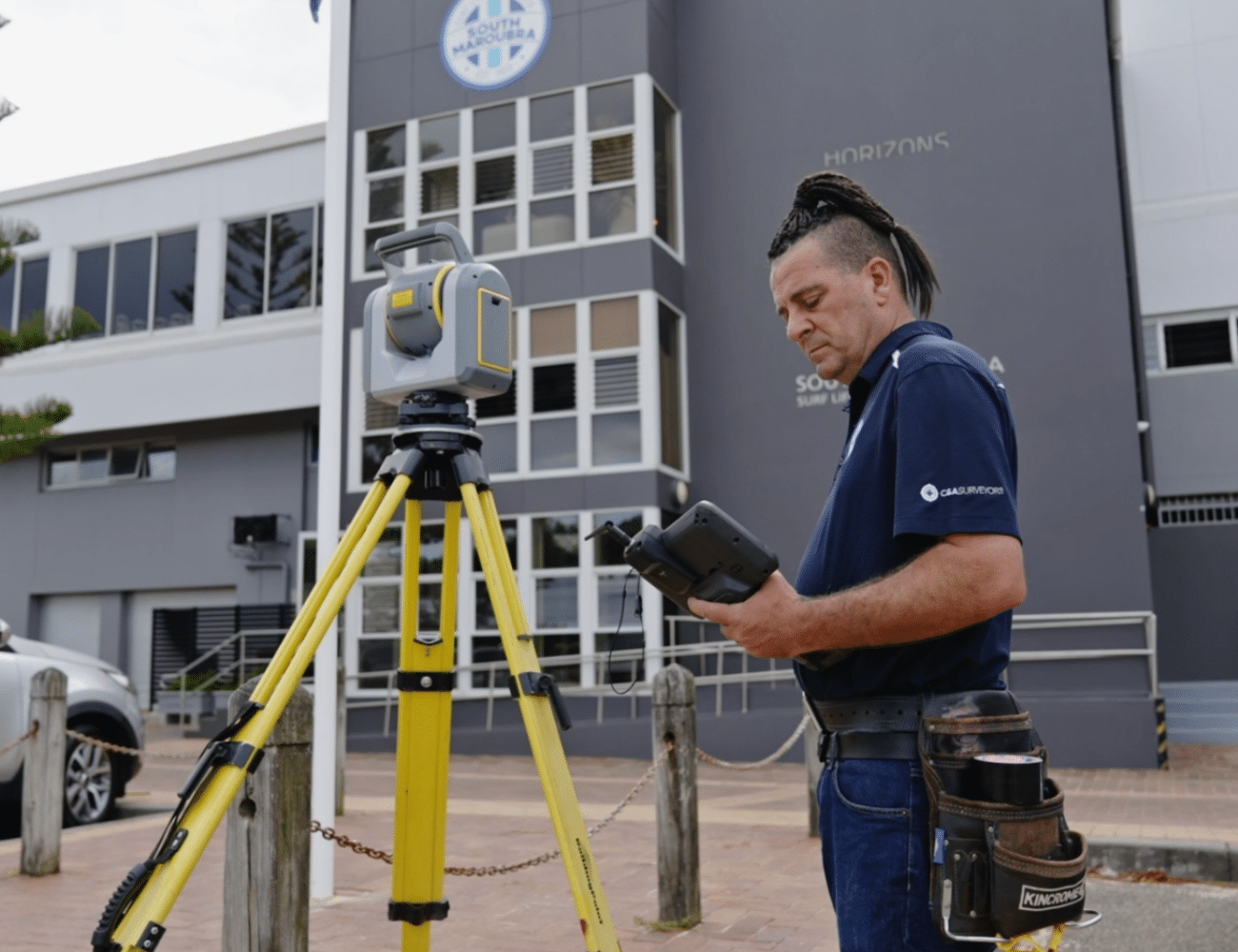
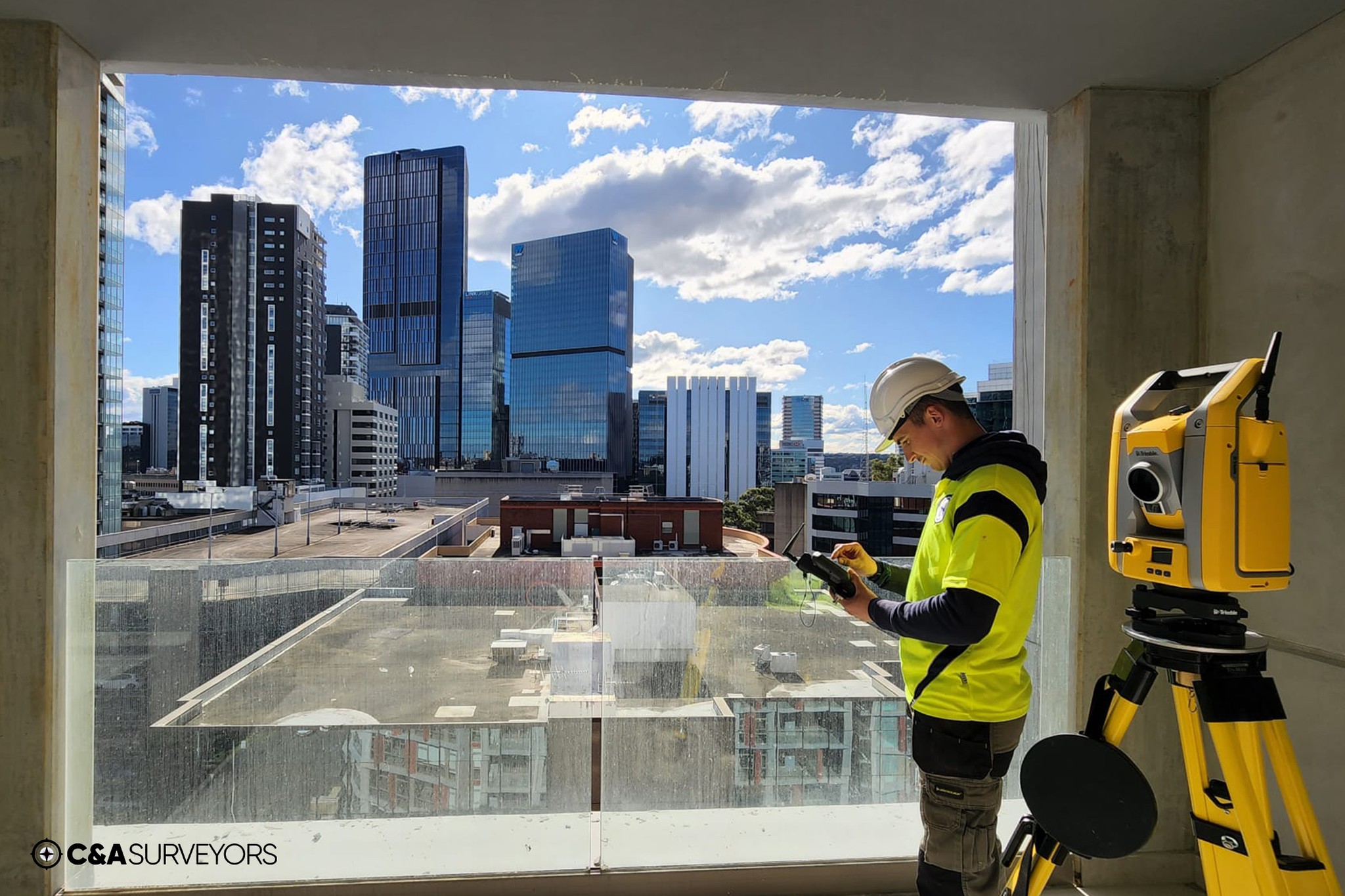
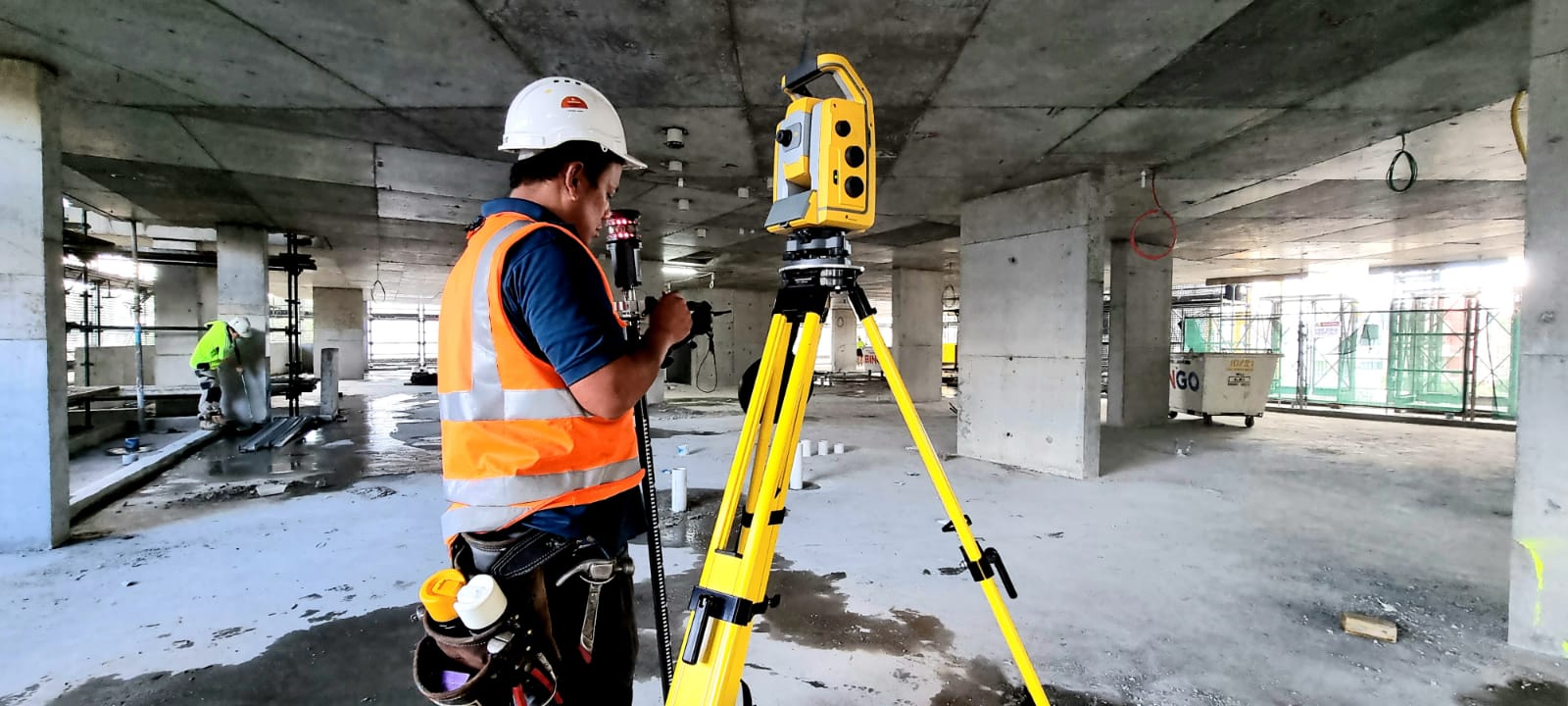
All data is captured using modern surveying equipment: survey total stations, 3D laser scanners, and where the project calls for it, UAV (drone) technology. The survey is delivered as a DWG drawing file, which your architect or designer uses to begin the design process and prepare council submissions.
How Is a Topographic Survey Conducted?
The process typically follows three phases:
1. Site visit: A surveyor attends the property and captures all relevant ground levels, features, and structures using calibrated instruments.
2. Data processing: Raw field data is processed by draftspersons using specialist surveying software to produce a scaled, annotated plan with contour lines, spot heights, and feature annotations.
3. Deliverable: You receive a final DWG file, ready for your architect or designer.
For larger or harder-to-access sites, topographic surveys using drones (UAV) are increasingly common. Drone-based surveys can capture accurate elevation data across wide areas quickly. This is particularly useful for rural blocks, sloped sites, or development parcels where traditional ground-based methods would take significantly longer.
A qualified surveyor will determine the most appropriate method for your site and ensure the output meets the standard required for council submissions or design use.

When Do You Need a Topographic Survey?
Topographic surveys are used across a wide range of residential and commercial scenarios, including:
- Before designing a new home or extension
- When submitting a Development Application (DA)
- Starting a residential or commercial development
- Assessing drainage, flood levels, or site gradients
- Supporting landscaping, pool, or driveway design
The right time to commission a topographic survey is before you engage your architect or submit any plans to council. Getting it done early means your design team is working from accurate, verified site data, not estimates. It can prevent construction errors, improve design accuracy, and flag site constraints before they create costly surprises.
Topographic Survey vs Detail & Boundary Identification Survey
This is one of the most common points of confusion, and it matters for council submissions.
| Topographic Survey | Detail & Boundary ID Survey | |
| Ground levels & contours | ✓ | ✓ |
| Existing structures & features | ✓ | ✓ |
| Trees, services, vegetation | ✓ | ✓ |
| Property boundaries | Relative to existing features only | Formally investigated & marked |
| Boundary marking on site | ✗ | ✓ |
A topographic survey captures the visible features and elevations of a site. Boundaries are in an approximate location based on existing structures and features, and they are not formally investigated.
A Detail & Boundary Identification Survey goes further. It includes everything in a standard topographic survey, plus a formal investigation and marking of the property’s legal boundaries using registered plans, title searches, and on-ground marking by a Registered Surveyor.
Many councils and private certifiers across NSW require a Detail & Boundary Identification Survey, particularly when building close to a property boundary or when boundary positions are in question. If you’re unsure which your project requires, a Registered Surveyor can advise based on your council’s specific requirements.

Topographic Survey FAQs
Do I need a topographic survey, or will a basic site plan do?
It depends on what your council or certifier requires and what stage your project is at. A basic site plan typically shows the footprint of existing structures but doesn’t capture ground levels, contours, or the full range of site features. For many development applications in NSW, a topographic survey or a Detail & Boundary Identification Survey will be required by your council or certifier. Requirements may vary, so it’s worth confirming before you proceed.
Can't my architect or builder just estimate the levels?
An estimate is only as good as what’s visible from the street. Missed levels, undisclosed trees with protection orders, or approximate boundary positions can derail a design, delay a DA, or cause rework during construction. A topographic survey costs a fraction of what those issues do.
How much does a topographic survey cost in NSW?
Topographic survey costs vary based on site size, complexity, and the level of detail required. A standard residential survey for a typical Sydney block is generally priced in the hundreds of dollars, with larger or more complex sites costing more. The best way to get an accurate figure is to request a free quote. Most surveyors can provide one based on your address and project details.
What's the difference between a topographic survey and a contour survey?
There is no practical difference. Contour survey, detail survey, site survey, topographic survey, and detail & level survey all refer to the same type of survey. The terminology varies between firms and regions, but the output is the same: a scaled plan with contour lines, spot heights, and feature annotations.
How long does a topographic survey take?
A surveyor can typically attend site within 24 hours of booking, and you’ll have your completed survey within 72 hours of the site visit. Larger or more complex sites may take longer, but turnaround of 2–3 business days is standard for residential projects.
Will one survey cover everything I need, or will I need multiple surveys?
For many residential projects, a topographic survey (or Detail & Boundary Identification Survey) marks the start of a project, supporting the design process and DA submission. As a project goes on, a peg-out survey and final survey may be required. A good surveyor will map out what you’re likely to need upfront so there are no surprises.
Getting the Right Survey for Your Project
A topographic survey is a standard deliverable, but quality varies. Accuracy, turnaround time, and whether the surveyor advises you correctly on which survey type your council requires all make a material difference to your project timeline.
When selecting a surveyor, look for a firm that uses modern calibrated equipment, employs Registered Surveyors, and can give you clear guidance on whether a topographic or Detail & Boundary Identification Survey is the right fit. That last point matters more than most clients realise; commissioning the wrong survey type means starting again.
Need a Topographic Survey in Sydney?
A topographic survey is one of the most cost-effective steps you can take at the start of any project. Get it right from the beginning, and every professional you work with benefits from the same solid foundation.
At C&A Surveyors, we’ve been delivering high-quality surveys across Sydney and NSW since 2009. With 60+ staff including 25+ expert Surveyors, and over 100,000 projects completed, we have the experience to handle projects of all sizes, from single residential lots to large-scale developments.
With us, you can track your job in real time through C&A Connect, from surveyor ETA through to instant plan download. We’re fully insured and registered and have earned 500+ five-star reviews from homeowners, architects, and builders across NSW. Our Topographic Survey limited-time offer gets you 5% off any comparable quote from our competitors.
Get a free quote today – call our team or submit your details online.