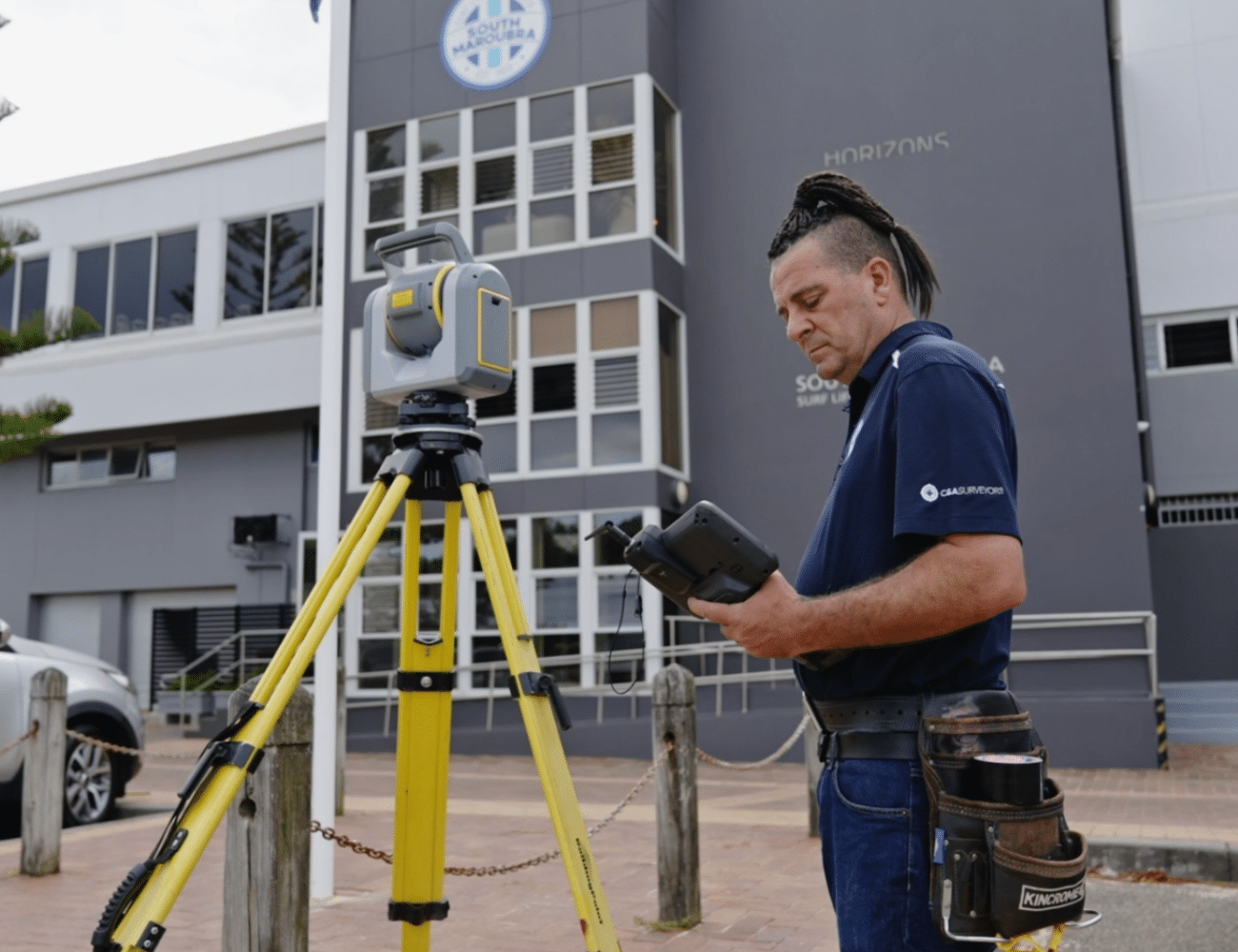
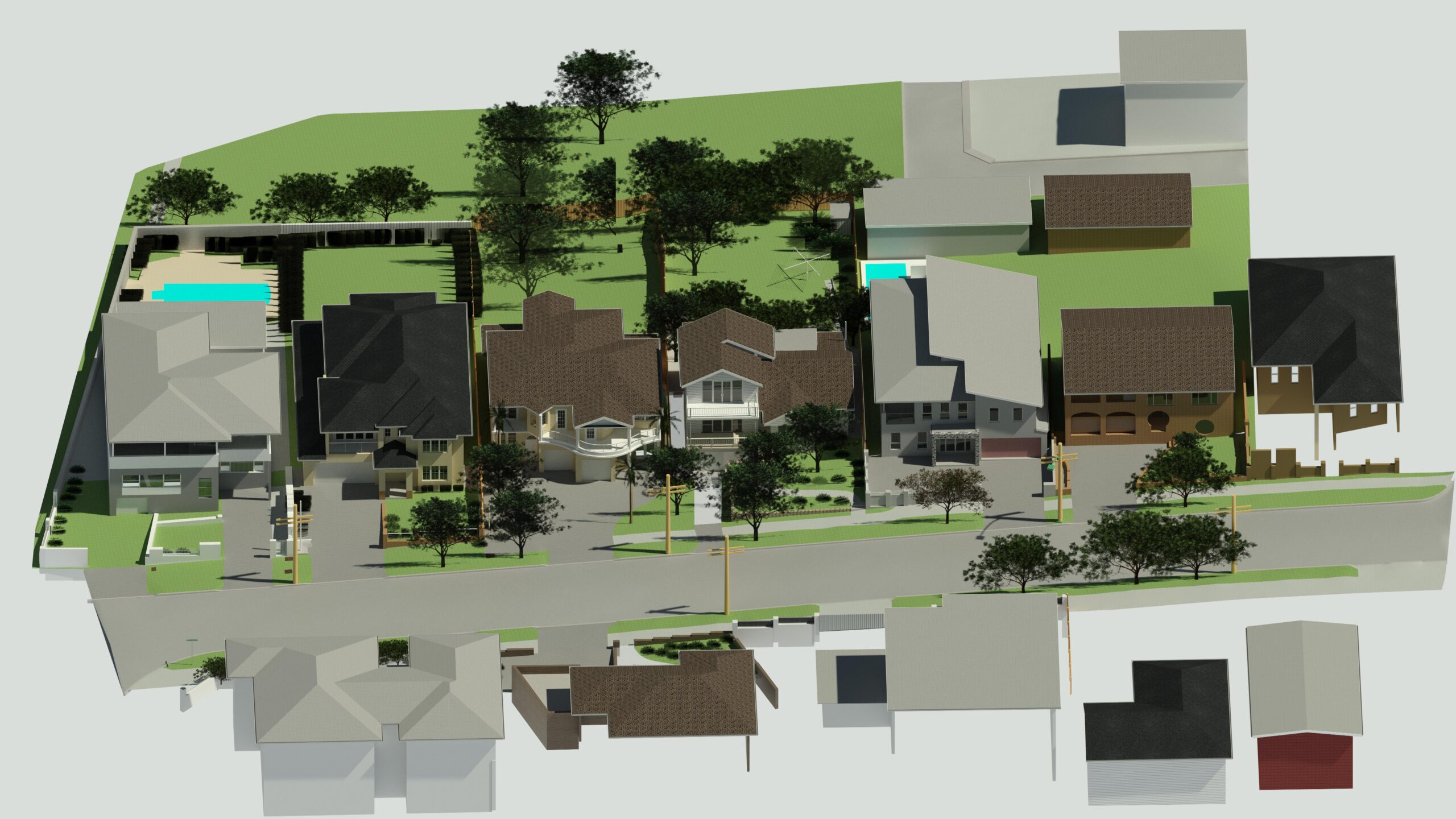
A construction survey translates an approved set of plans into exact positions on the ground. It tells the site team where to dig, where to pour, and where every wall, slab, and service should sit, at every stage of the build. On a Sydney site, where land is tight and council and certifier sign-off depends on getting it right, skipping or rushing a stage rarely saves the time it promises.

Table of Contents
- What a Construction Survey Covers at Each Build Stage
- Where Construction Surveys Sit in the Build Sequence
- Why Each Stage Is a Checkpoint, not a Formality
- Why the Cost of an Error Grows the Later It’s Caught
- Is a Construction Survey a Regulatory Requirement?
- FAQs
- Staying on Top of Every Stage
- Get a Construction Survey That Keeps Your Build Moving
What a Construction Survey Covers at Each Build Stage
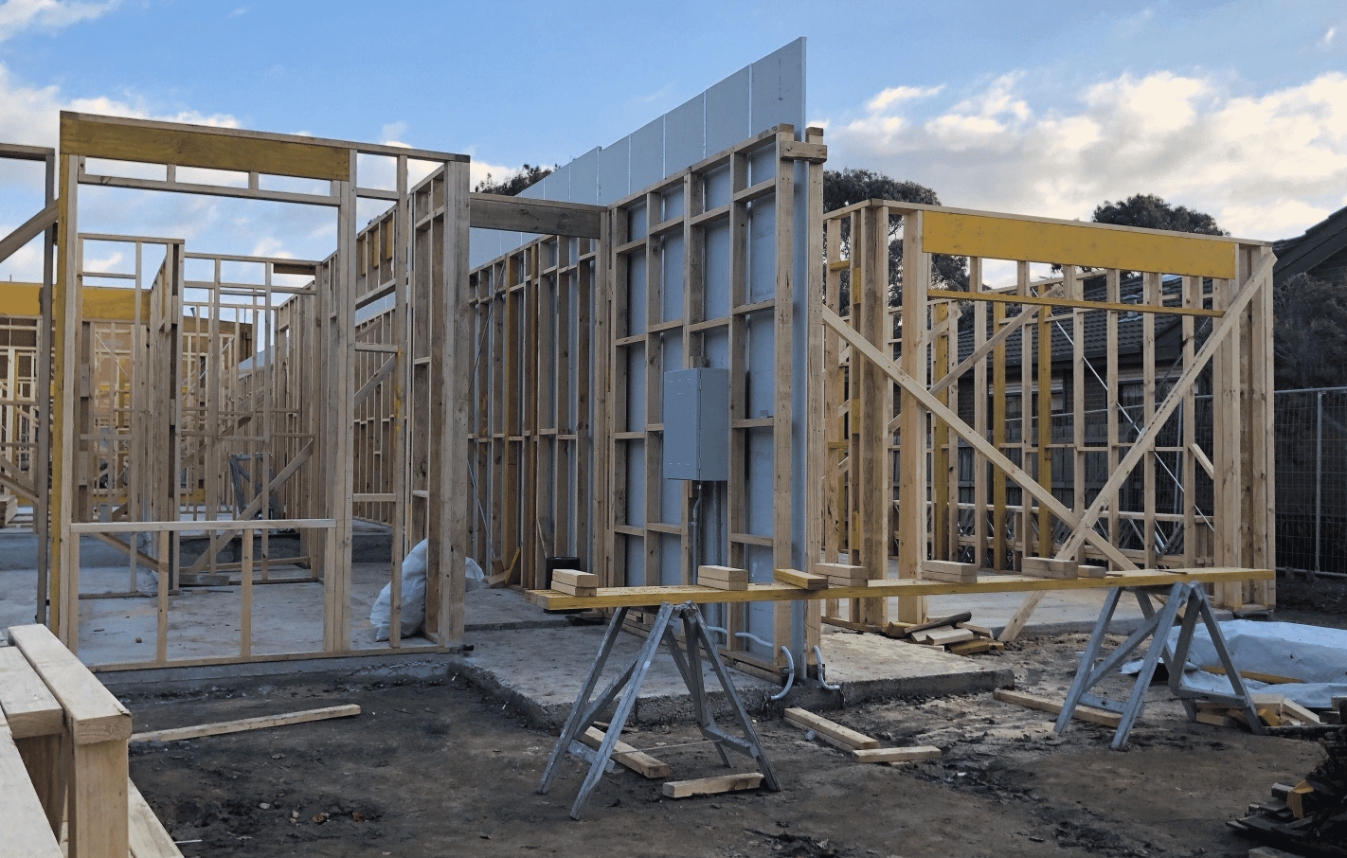
A construction survey isn’t a single event. It’s a series of checks that run alongside the build, each one confirming that what’s happening on site matches the approved plans.
The three main stages are:
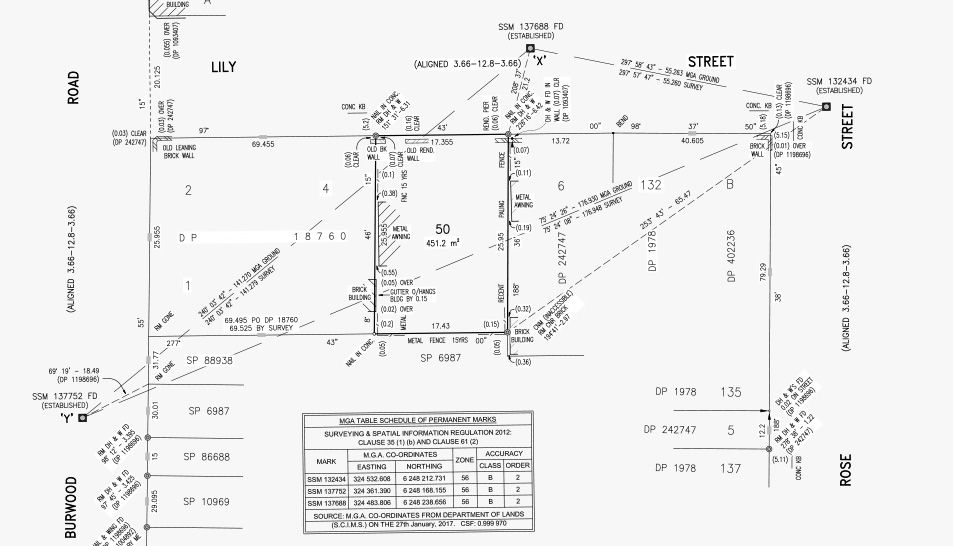
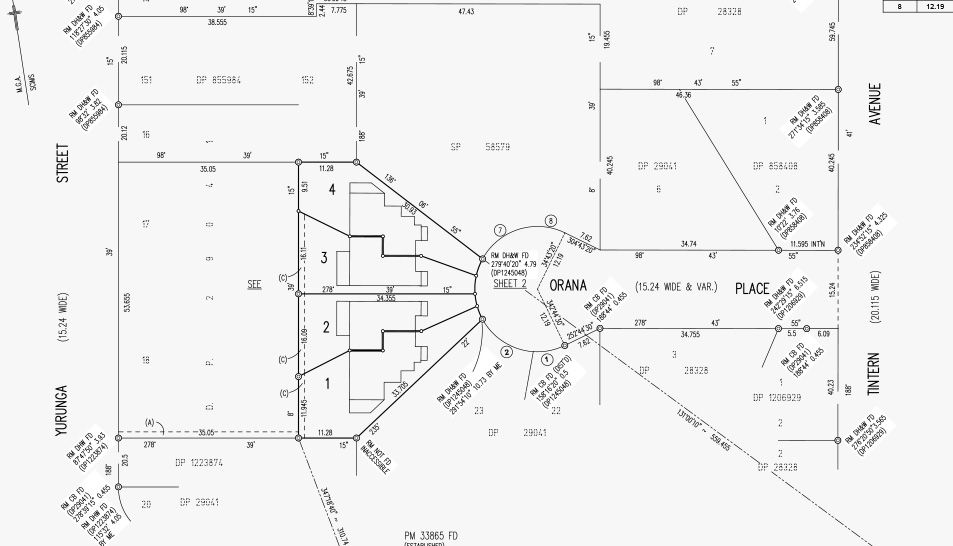
Setout (also called peg out): marking the exact position of foundations, walls, boundaries, and services on the ground before any digging starts, so the builder has a clear, on-site reference for where to build
Formwork checks: verifying that formwork is correctly positioned and levelled before concrete is poured, since this is the last point an error can be fixed without significant cost
As-built survey: confirming the finished structure matches the approved plans before an occupation certificate is issued
A construction surveyor uses survey marks (Permanent Survey Marks, or PSM) and Australian Height Datum (AHD) levels to make sure every measurement ties back to the approved design, not just to what’s already on site.
Where Construction Surveys Sit in the Build Sequence
Construction surveying sits in the middle of a longer chain of survey work that runs across a project’s life:
| Phase | Typical survey work | Purpose |
| Pre-construction | Detail and contour surveys, boundary identification | Confirms site conditions and boundaries before design and DA submission |
| Construction | Setout, peg out, formwork checks | Confirms the build matches the approved plans at each milestone |
| Post-construction | As-built and OC-stage surveys | Confirms the finished structure for occupation certificate and compliance |
Construction surveys are the link between what was designed and what gets approved at the end. Without accurate setout and formwork checks, the as-built survey at OC stage can flag discrepancies that are far more expensive to fix once the building is standing.
Why Each Stage Is a Checkpoint, not a Formality
It’s tempting to treat survey stages as a box-ticking exercise, especially when the builder is confident the measurements are right. But each stage exists to catch a specific kind of risk before it becomes permanent:
Setout catches design or boundary errors before excavation starts, so nothing is built in the wrong position from day one
Formwork checks catch levelling or alignment errors before they’re locked in by concrete
As-built survey confirms the finished structure matches the approved plans before an occupation certificate can be issued
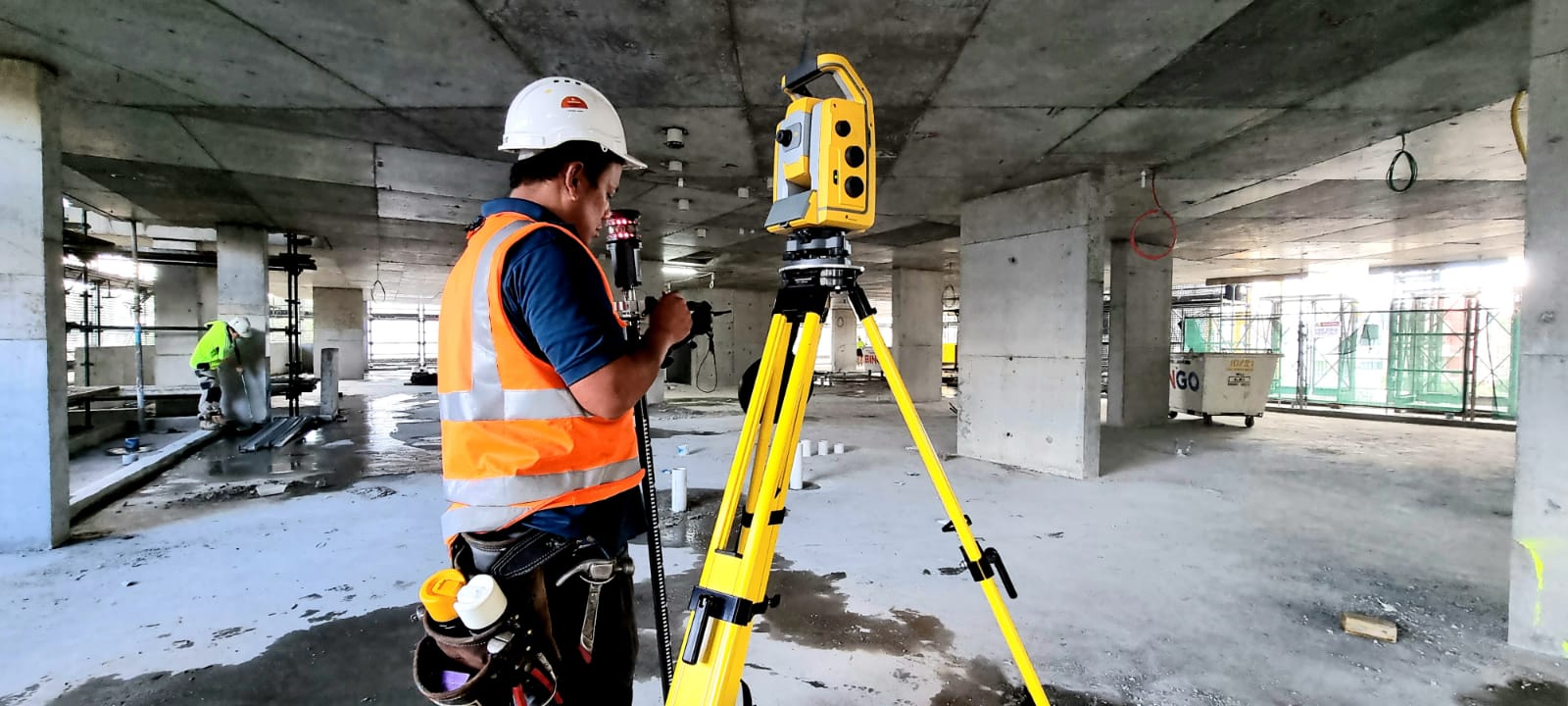
A missed or rushed stage doesn’t just risk a wonky wall. On a tight Sydney block, a setout error of even a few centimetres can mean a footing encroaches on an easement or sits outside the approved building envelope, which brings private certifiers and local councils back into the process before work can continue.
Why the Cost of an Error Grows the Later It’s Caught
The same error costs more to fix the further the build has progressed. A setout error found before excavation might mean repositioning a few markers. The same error found after formwork is up, or after the slab is poured, can mean demolition, re-pouring, and a builder’s program pushed back by weeks.
| When the error is caught | Typical cost to fix | Typical schedule impact |
| Before excavation (setout stage) | Low – adjust markers | Minimal, often same day |
| After peg out, before formwork | Moderate – rework formwork | Days |
| After formwork, before pour | High – reposition and re-check | Days to weeks |
| After concrete pour | Very high – often rework or partial demolition | Often weeks, plus consultant and certifier delays |
This is the core trade-off behind skipping a stage to save time. A construction survey at each stage adds a small, predictable cost upfront. Skipping it trades that cost for a much larger and less predictable one later, on top of the time lost waiting for rework to be approved.
Is a Construction Survey a Regulatory Requirement?
Whether a construction survey is mandated depends on the project, the consent conditions, and what private certifiers or local councils require for that specific build. Many DA and CDC conditions require a registered surveyor’s report confirming the building’s position before key stages, and a final survey before an occupation certificate is issued, which makes accurate construction survey data necessary to get to that point, even where it isn’t named as a standalone legal requirement.
In practice, most builders and project managers commission a construction survey at each key stage regardless of whether it’s explicitly mandated, because the cost of getting setout wrong is almost always higher than the cost of checking it.

FAQs
Can I skip a survey stage if my builder is confident the setout is correct?
You can, but it shifts the risk rather than removing it. If the setout is even slightly off, the error usually isn’t caught until a later stage, like formwork or the as-built survey, when it’s far more expensive to fix.
How much does a construction survey at each stage cost versus the cost of fixing a mistake later?
A construction survey at each stage is a small, fixed cost. Fixing a missed error after formwork or a concrete pour typically costs significantly more, once you factor in rework, materials, and the program delay while a fix is approved.
Will booking a construction survey at every stage slow down my build program?
A well-planned construction survey is usually quick to schedule and complete, and it’s built into the program rather than added on top of it. The delays that actually hurt a build program tend to come from rework after a missed stage, not from the survey itself.
Is a construction survey a regulatory requirement, or is it optional depending on the project?
It depends on your DA or CDC conditions and what your private certifier or council requires. Even where it isn’t explicitly mandated, most builds need accurate setout and as-built data to reach occupation certificate stage, which makes construction surveys a practical necessity either way.
Staying on Top of Every Stage
The pattern across every stage is the same: a construction survey costs little and protects a lot. Builders and project managers who treat each stage as a genuine checkpoint avoid the costliest kind of delay: rework caused by something that was already built incorrectly.
When choosing a construction surveyor for a Sydney project, the difference usually comes down to two things: how quickly surveyors can mobilise between stages, and how clearly they communicate what’s been checked and what hasn’t. A surveyor who goes quiet between visits makes it harder to know whether your build is actually on track.
This is where having one provider across the full build, rather than coordinating separate surveyors for each stage, tends to pay off. It closes the gaps where errors slip through between handovers.
Get a Construction Survey That Keeps Your Build Moving
A construction survey is most valuable when it’s treated as an ongoing checkpoint, not a one-off task: setout before excavation, peg out before the build takes shape, and formwork checks before concrete locks anything in.
At C&A Surveyors, we’ve delivered construction surveys across Sydney since 2009, with 500+ 5-star reviews and 100,000+ projects completed. Our team of 60+ staff, including 25+ expert surveyors, means your build never has to wait on one person to move forward. Survey Express gets us on site within 72 hours of booking, and every job is tracked in real time through C&A Connect, so you always know where your construction survey stands.
Get a free quote for your construction survey or contact our team today to keep your Sydney build on track.